What Is a Fleet Management System? Complete Guide for Qatar Businesses
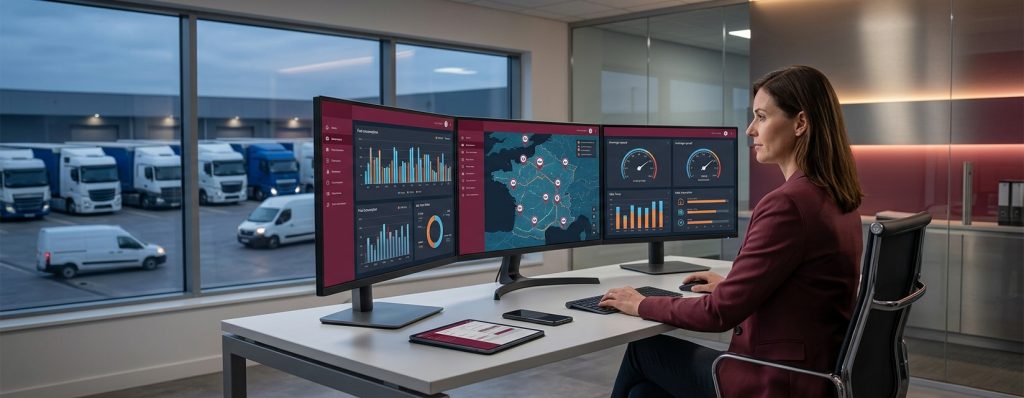
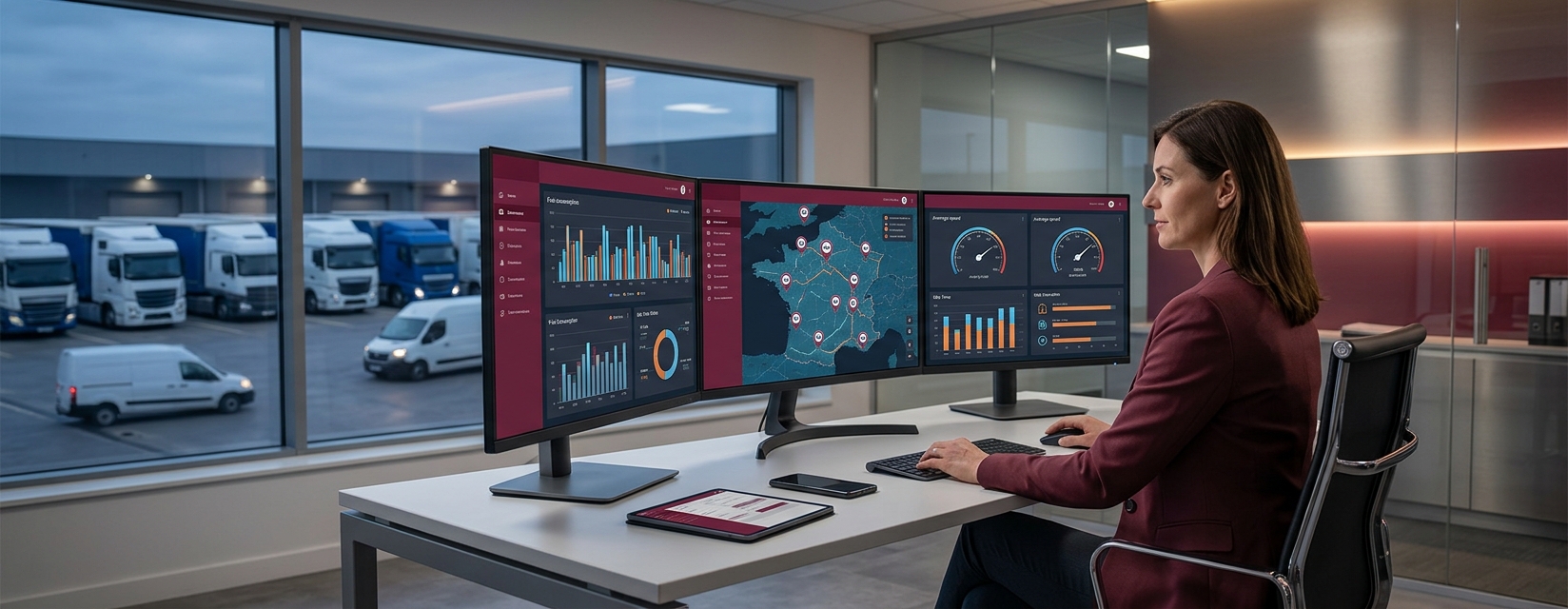
A fleet management system lets you see where your vehicles are, how they’re being driven, and what needs attention, all from one screen on your phone or computer. Instead of calling drivers for updates, you open a dashboard.
This guide explains how it works, what it can do, and how to choose the right one for your business in Qatar.
Offer
Special Qatar Offer – Get Premium GPS Tracking with Free Installation!
How a Fleet Management System Works
There are three parts, and none of them is complicated:
- A GPS tracker in each vehicle: It is installed in the vehicle and records location, speed, and engine status. Some models can also connect to extras such as fuel sensors or driver ID readers.
- A data connection: The tracker sends its information over a mobile network, much like your phone does.
- Fleet management software: This is the platform you log into. It shows a live map, past trips, alerts, and reports.
That’s the whole idea. The device collects, the network delivers, and the software turns it into something you can read at a glance.
What Can It Do?
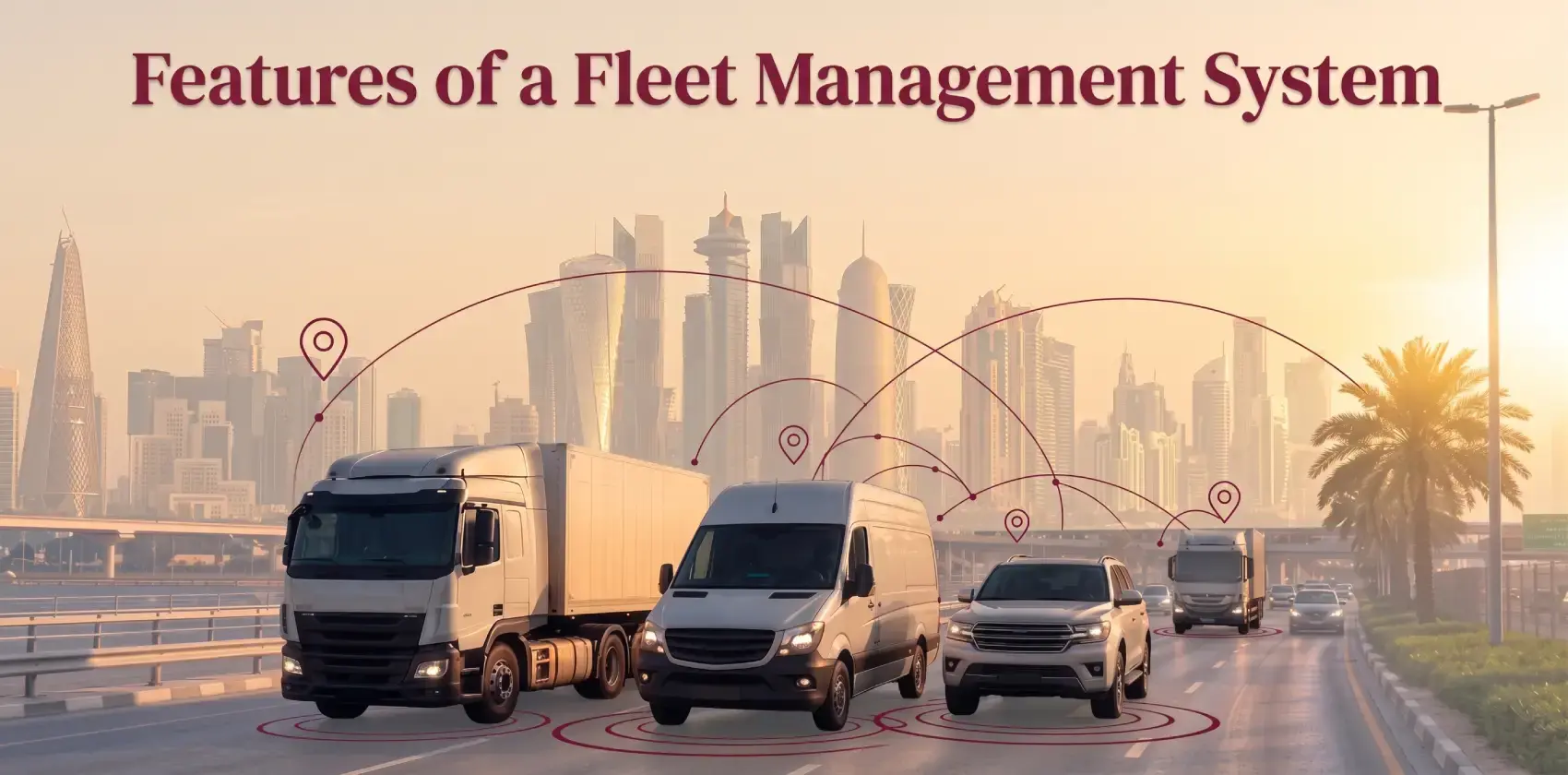
Features vary between providers, but most systems cover the following:
- Live tracking: See every vehicle on a map and whether it’s moving, idling, or parked.
- Trip and route history: Go back to any day and check the route taken, stops made, and time spent at each.
- Geofencing: Draw a virtual boundary around a depot, a client site, or an area you want vehicles to avoid, and get an alert when one crosses it.
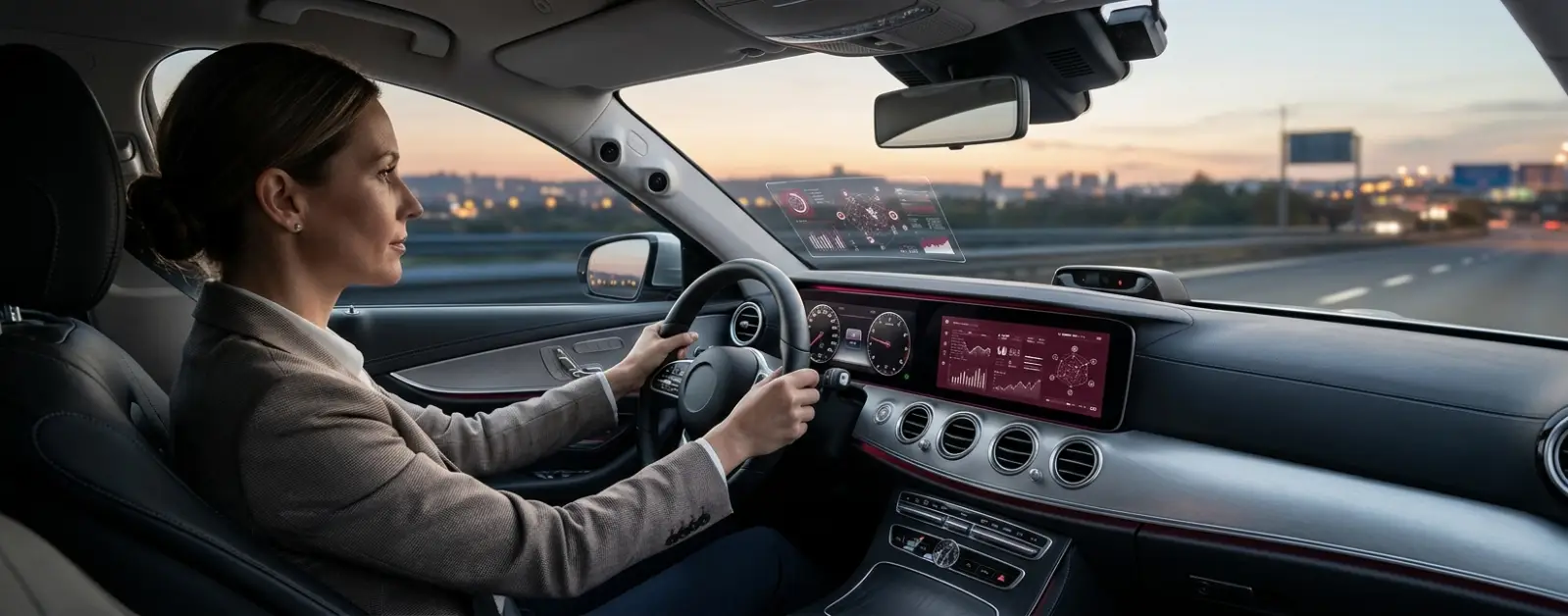
- Driver behaviour data: Speeding, harsh braking, sudden acceleration, and long idling are recorded so patterns show up early.
- Fuel monitoring: Spot idling and unusual consumption. Where fuel sensors are fitted, you can also watch tank levels, although accuracy depends on proper calibration.
- Maintenance reminders: Set alerts by mileage, engine hours, or date for servicing, registration, and insurance.
- Reports: Mileage, trips, vehicle usage, and driver activity in a form you can share or review.
- Instant alerts: Get notified of speeding, after-hours movement, or a vehicle leaving a set zone.
Fleet tracking vs fleet management
The two terms get mixed up. Fleet tracking is mostly about location and movement. Fleet management goes further, covering driver monitoring, maintenance, reporting, and planning. Many businesses begin with tracking and add the rest later.
Why It Matters for Businesses in Qatar
Plenty of work in Qatar happens on the road. Delivery vans move between customers, technicians drive to job sites, construction vehicles shuttle between projects, and staff buses run on fixed schedules. Local conditions add to this:
- Heat: A vehicle left idling for hours with the AC on burns fuel and wears the engine, and nobody notices unless the data is in front of them.
- Distance: A vehicle that stops at a remote site costs far more time to deal with than one near the city centre, so knowing about a problem early matters.
- Busy schedules: Deliveries and service calls run to tight timelines. Knowing which vehicle is closest to a new job saves time for you and the customer.
One more point: depending on your vehicle type and industry, there may be tracking or monitoring requirements. Check the current rules for your sector with the relevant authority before you decide on a system.
What You Gain From Using One
If the features are the tools, these are the results most businesses are after:
1. Clearer visibility
You stop guessing where vehicles are and start working from live information.
2. Better control of costs
Less idling, fewer unnecessary trips, and smarter routes can reduce waste. How much depends on your fleet and how you act on the data.
3. Safer driving habits
Drivers who know their driving is recorded often take more care, which can mean fewer incidents over time.
4. Stronger records
When a customer disputes a delivery time or a driver questions a trip, you have a record to check.
5. An extra layer of security
If a vehicle moves outside agreed hours or areas, you can be alerted and see its last reported position. It helps, but it isn’t a guarantee, since coverage and power supply affect how any tracker performs.
6. Fewer surprises
Service reminders help you catch maintenance before it turns into a breakdown.
Who Uses Fleet Management Systems?
You don’t need a huge operation to benefit. Typical users in Qatar include:
- Logistics and delivery companies
- Construction and contracting firms
- Transport and staff bus operators
- Maintenance and field-service teams
- Retailers with their own delivery vehicles
- Vehicle rental companies
- Businesses with a company car fleet
Smaller fleets often start with basic GPS tracking. Larger ones tend to use driver reports, maintenance tracking, and geofencing more heavily.
How to Choose the Right System
Start by listing how many vehicles you have, what types they are, and what you most want to fix. Then compare providers on these points:
1. Local support
Installation, training, and fast help matter. A provider based in Qatar can visit your site and understand local operating conditions.
2. Ease of use
Ask for a demo. If you can’t find a vehicle, an alert, or a report within a few minutes, your team won’t use it properly either.
3. Hardware quality
Qatar’s heat and dust are hard on electronics, so ask how the devices cope and where they’ll be installed.
4. Room to grow
If you may add vehicles later, confirm you won’t have to change systems to do it.
5. Useful alerts
Look for alerts you can tailor, so you hear about what matters without being flooded.
6. Clear pricing
Ask what’s included: devices, installation, subscription, and any add-ons.
Final Thoughts
Managing a fleet is more than knowing where each vehicle is. It involves how vehicles are driven, how routes are planned, when servicing is due, and how every vehicle is used day to day. A fleet management system pulls all of that into one place, so decisions rest on facts instead of guesses.
FAQs
It is a combination of GPS tracking hardware and software that helps businesses monitor and manage vehicles. It can provide live locations, route history, driver behaviour data, alerts, and reports from one platform.
A GPS device in the vehicle collects location and movement data and sends it to the software platform. You view it through a dashboard on a computer or mobile device.
It can help you find waste, such as long idling, unnecessary trips, and inefficient routes. The actual savings depend on your fleet and on what you change after seeing the data.
If your provider offers a mobile app or a mobile-friendly platform, yes. Confirm this before you sign up.
It can be. Live location, geofencing, and alerts help you notice unusual movement and respond faster. Performance still depends on coverage, power, and the device.
There is no set number. Even a few vehicles can benefit from tracking, while larger fleets get more from extra features like reporting and maintenance tracking.