
GPS Tracking Features: A Guide for Qatar Businesses
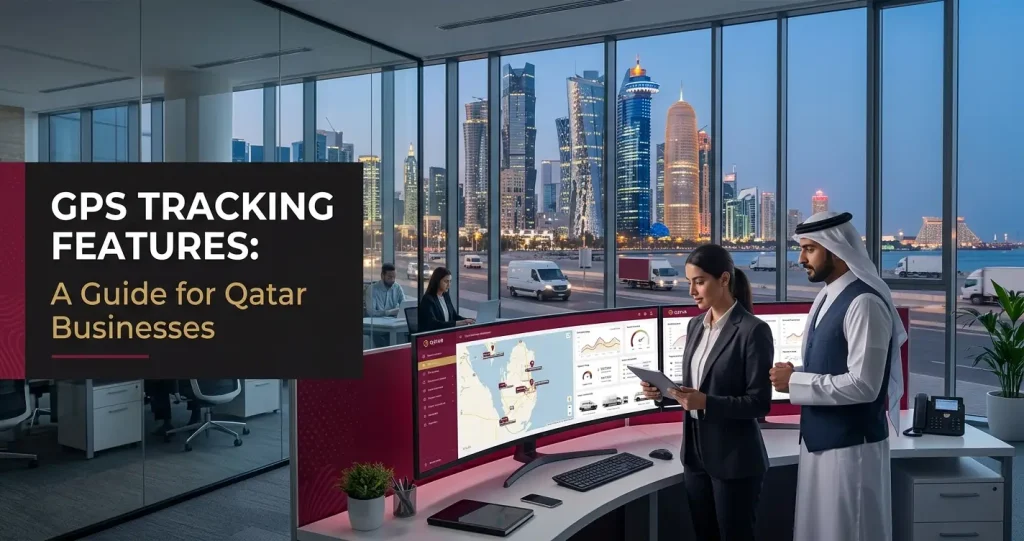
A driver is stuck on the C-Ring Road during rush hour, another has taken an unapproved detour on a delivery run to Al Wakrah, a third has been idling outside a client’s site in Lusail for twenty minutes, and your workshop team just told you the truck was due for service two weeks ago.
These are common challenges for businesses managing vehicles. You end up managing your fleet through phone calls, driver messages, and whatever information you can collect afterward. That may work until something goes wrong and you have no clear record of what actually happened.
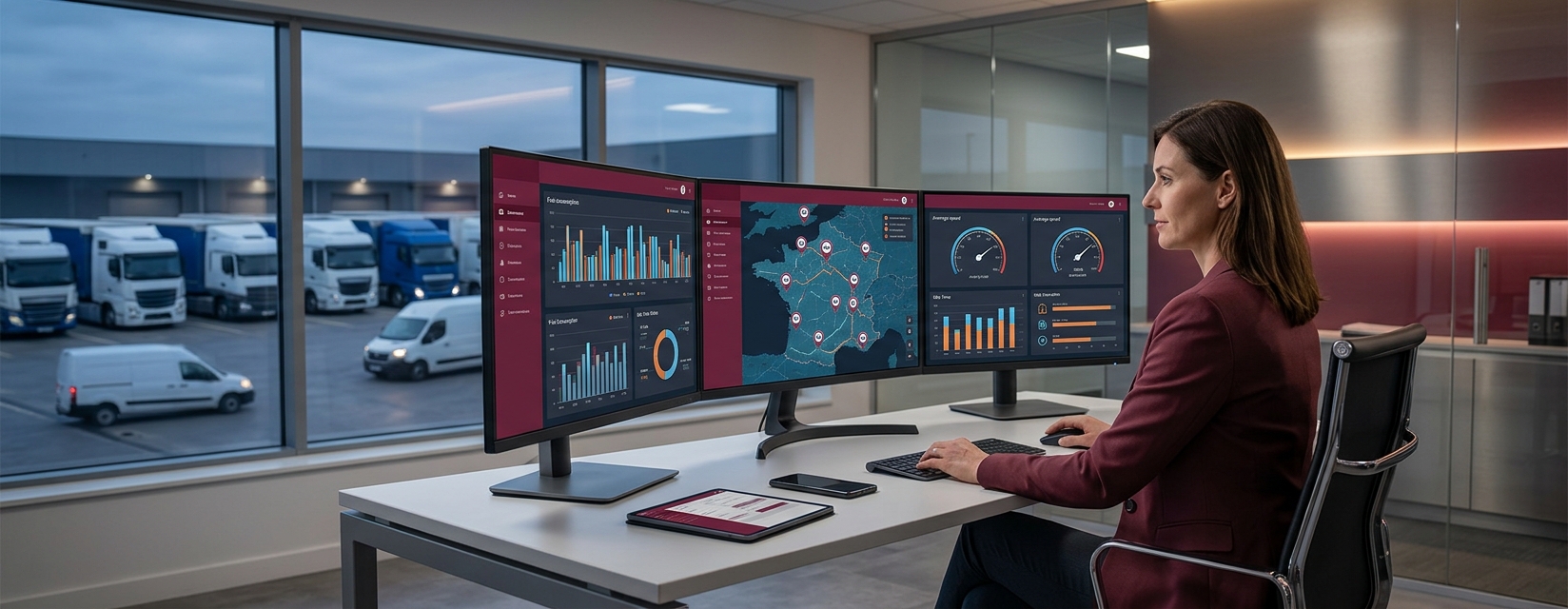
A GPS tracking system gives businesses a clear view of their vehicles in real time. You can see where each vehicle is, the routes it takes, how it is being driven, and how it is being used. These features help businesses in Qatar manage their vehicles, improve safety, reduce costs, and keep daily operations running smoothly.
Offer
Special Qatar Offer – Get Premium GPS Tracking with Free Installation!
Why it matters here specifically
Three things make fleet management in Qatar different from many other places. Doha traffic can change quickly, so a delivery that seemed easy in the morning may take much longer later in the day. Without knowing where your vehicles are, you may have to keep telling customers that the driver is on the way without knowing the exact situation.
The distance between different locations in Qatar can also increase travel time and fuel costs. A trip from Doha to Al Khor or Al Shamal can take time, and even a small wrong turn or inefficient route can lead to extra fuel use and higher costs.
And Qatar’s extreme summer heat can put additional strain on engines, batteries, tyres, and AC systems. Keeping up with regular maintenance becomes especially important when vehicles are operating in these conditions. Skipping a service interval in Qatar costs you more than skipping it elsewhere.
GPS tracking cannot control traffic, but it can help businesses respond to delays and other fleet problems more effectively. With better information, managers can plan ahead, handle unexpected issues, and keep work moving without relying only on driver updates.
Key GPS Tracking Features
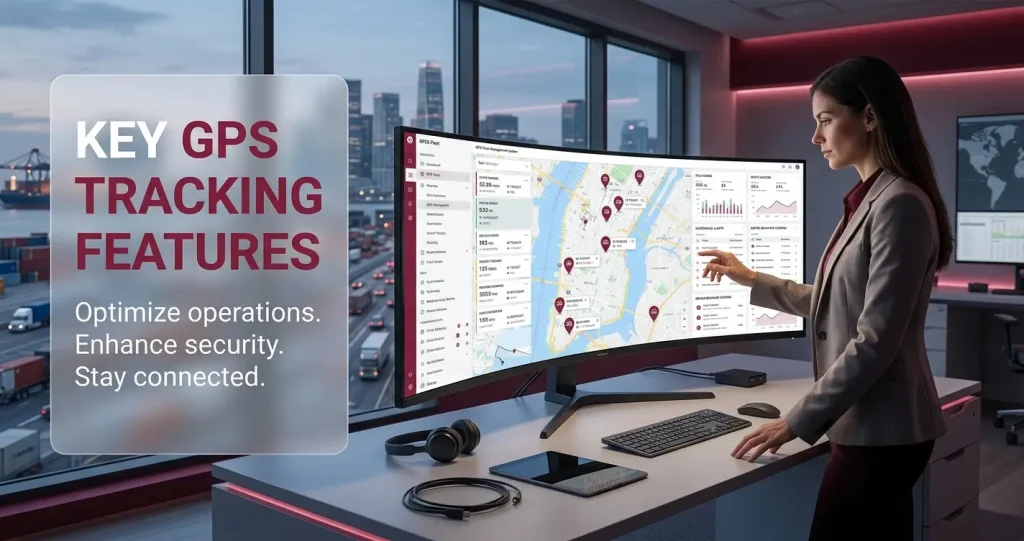
1. Live Vehicle Tracking
With a GPS tracking system, you always know where your vehicles are. No more calling drivers to check their location, just open the app and see it instantly.
That comes in handy when a customer asks for a delivery update, or when a new job comes in and you need to figure out which driver is closest. You glance at the map, pick the right vehicle, and send them off.
2. Route History
The system keeps a full record of everywhere your vehicles have been, the route taken, every stop made, and how long they sat at each one.
That makes it easy to tell whether drivers are sticking to planned routes or racking up extra, unnecessary mileage. Say a vehicle heading from the Industrial Area to West Bay ends up taking a much longer path than it should. You can pull up exactly what happened and adjust how future trips are planned.
3. Geofencing
Geofencing lets you draw a virtual boundary around a place that matters, such as your office, warehouse, or a customer’s site. You get notified when a vehicle enters or leaves that area.
It’s a simple way to confirm a delivery actually happened, keep an eye on important locations, and catch movement that looks off. If a company vehicle leaves the yard outside normal working hours, for instance, you’ll get an alert right away and can check whether that was actually planned.
4. Driver Behaviour Monitoring
A GPS tracking system also shows you how vehicles are actually being driven. Depending on the setup, it can pick up on speeding, harsh braking, sudden acceleration, and sharp turns.
That kind of detail makes it much easier to spot unsafe driving habits and bring them up with the driver directly. Push for safer driving and you cut down on accident risk, reduce wear on the vehicles, and keep everyone on the road a bit safer.
5. Fuel & Idling Monitoring
Once a business is running several vehicles, fuel becomes one of the bigger costs and it’s often where money quietly leaks out. GPS tracking helps you see exactly where that’s happening.
It shows how long vehicles sit idling and helps flag unnecessary trips or routes that don’t make sense. In Qatar’s heat, engines and AC units often keep running while a vehicle is parked, so keeping tabs on idle time matters even more here.
Spot those patterns, and you can start cutting fuel waste and keeping a tighter handle on operating costs.
6. Maintenance Reminders
Keeping up with maintenance helps keep vehicles reliable and ready to work. GPS tracking can make this easier by tracking mileage and service schedules.
You get reminders when a vehicle needs servicing, an inspection, a tyre check, or anything else on the list, so nothing important slips through the cracks and breakdowns become far less likely.
For fleets running regularly in Qatar, staying ahead on maintenance also helps vehicles hold up better against the tough weather here.
7. Security Alerts
GPS tracking gives company vehicles an extra layer of protection. You’ll get an alert if a vehicle moves unexpectedly or is used outside its normal hours.
And if a vehicle does get stolen, having its exact location makes it much easier for the business and the authorities to act fast. Some systems also offer remote engine immobilization, depending on the vehicle and setup. Where available, this feature should always be used safely and according to the system’s specifications.
8. Trip History & Reports
Sometimes what matters isn’t where a vehicle is right now, but what it did earlier. Trip history lets you go back and see previous journeys, the stops, the timing, the exact route taken.
So if a customer says their delivery showed up late, you don’t have to just take a driver’s word for it, pull up the trip history and see for yourself what actually happened.
9. Mobile Access
Fleet management doesn’t stop just because you’ve left the office. With mobile app access, you can check on vehicles, get alerts, and stay on top of updates straight from your phone.
That matters when you’re out visiting a customer, working from another site, or just away from your desk. Having the system on both computer and mobile means you’re never really disconnected from the fleet.
What you actually get
- Full visibility on every vehicle, without chasing drivers down
- Lower fuel spend by cutting idle time and bad routes
- Safer drivers, caught and corrected before an incident
- Fewer breakdowns, because maintenance happens on schedule
- Faster theft response, with location data from the first minute
- Delivery times you can actually promise customers
This works for a two-van delivery business just as well as a 200-truck logistics fleet. Construction firms, rental companies, field service teams, and delivery operations across Qatar all use it the same way to stop running blind.
FAQ's
Live tracking, route history, geofencing, driver behavior alerts, fuel and idling reports, maintenance reminders, security alerts, and mobile access one platform, one app.
Yes. By making idle time, inefficient routes, and unnecessary vehicle use easier to identify, GPS tracking can help businesses reduce fuel waste over time.
Yes. Small businesses get the same visibility, security, and cost control as large ones the setup just scales down.
Yes. Speeding, harsh braking, fast acceleration, sharp turns are all logged and scored.
Yes. It can work across Qatar wherever the tracker has the required network coverage, including areas such as Al Khor, Al Wakrah, and Al Shamal.
Yes. It can track mileage and service schedules and remind you when a vehicle needs maintenance, helping you avoid missed services and unexpected problems.
Conclusion
A GPS tracking system replaces guesswork with real numbers: where your vehicles are, how they’re driven, where fuel is wasted, and when maintenance is due.
Najoom Al Thuraya sets up GPS tracking for Qatar businesses, sized to your fleet and how you actually operate. Get in touch to see it built around your vehicles.