
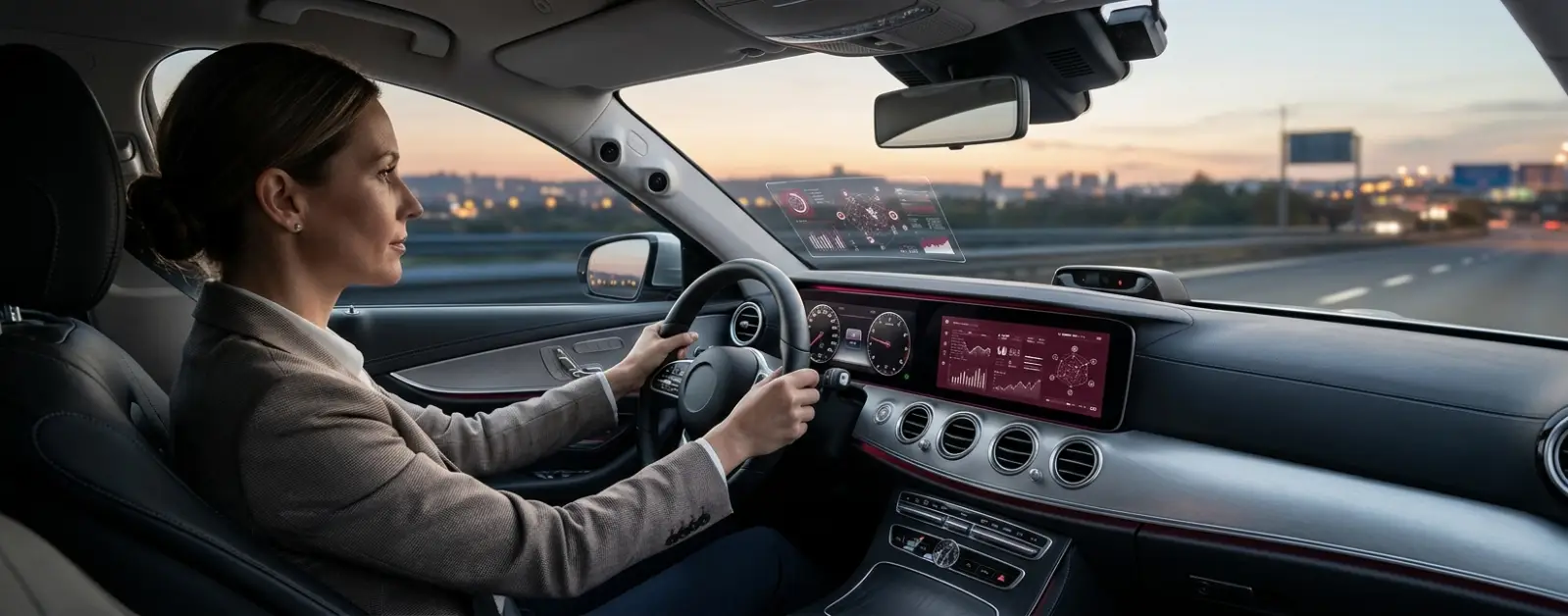
How AI Driver Behavior Monitoring Builds Safer, Smarter Fleets in Qatar
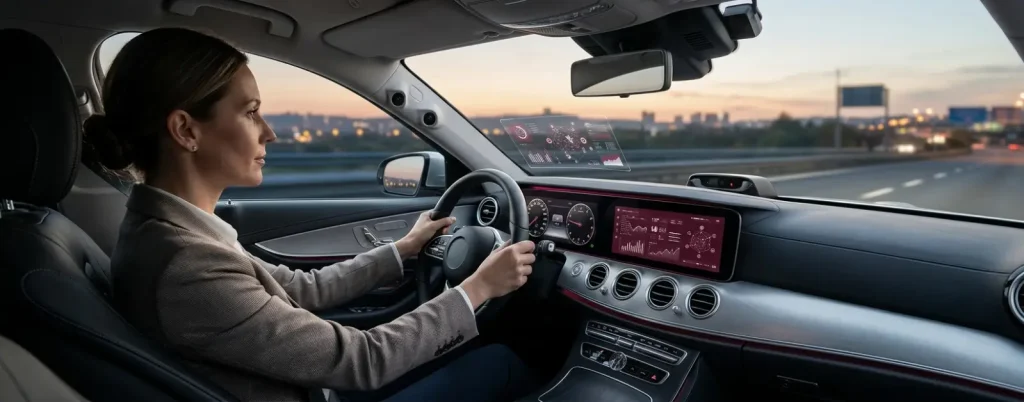
Knowing where your vehicles are is only half the story. Driver behavior monitoring shows how they are actually driven. In this guide, you’ll learn what it tracks, how AI helps fleets in Qatar spot speeding, harsh braking, and idling, and how to turn that data into safer driving and better cost control.
Offer
Special Qatar Offer – Get Premium GPS Tracking with Free Installation!
What is Driver Behavior Monitoring?
It means keeping track of everyday driving habits, such as:
- Speeding
- Harsh braking
- Rapid acceleration
- Sharp turns
- Excessive idling
- Driving off the usual route (easy to flag with geo-fencing alerts)
In the past, managers relied on customer complaints, spot checks, or reviewing trips after the fact. That’s slow, and it only catches the problems that were already obvious. Today, AI inside a modern fleet management system sifts through large amounts of driving data and points out what stands out, so managers don’t have to review every trip. They can spend their time on the drivers and situations that actually need attention.
How AI Helps You Understand Driving Habits
1. Spotting speeding patterns
One fast trip might not mean much. But if a driver regularly goes over the limit on the same road, that’s a habit. AI compares speed across many trips, using the same data behind your trip reports, and shows what keeps repeating, which makes it easier to have a fair, specific conversation with the driver.
2. Picking up harsh braking and rapid acceleration
Hard braking and heavy acceleration can signal unsafe driving, and they also put extra wear on brakes, tires, and engines. Seeing these events over time helps you tell the difference between a one-off reaction to traffic and a regular habit. If one driver brakes hard far more often than colleagues on similar routes, that’s a good reason for a supportive chat or some refresher training.
3. Looking at the full picture
Unsafe driving is rarely one single mistake. A driver who speeds, brakes hard, and takes corners sharply may have a wider pattern. AI looks at these behaviors together, which gives managers a clearer view of who might need support and lets them fix small issues before they become bigger ones.
4. Adding cameras for context
GPS can show where a vehicle is and how fast it’s moving, but not what’s happening inside the cab. That’s where driver-facing cameras and dash cams come in. Depending on the setup, they can provide:
- Views inside the cab
- Live video streaming
- Built-in GPS
- Video evidence if an incident occurs
Used together, cameras and GPS give a much more complete picture of what happened on the road.
5. Driver safety scores
Nobody can review thousands of driving events by hand. A safety score turns them into one simple number, usually based on factors like speeding, harsh braking, rapid acceleration, sharp turning, idling, and driving hours.
The number itself isn’t the point. What matters is how you use it: to catch risky driving early, recognize your safest drivers, track progress over time, and check whether training is working.
How Safer Driving Saves Money
Driving habits affect your budget as much as your safety. Aggressive acceleration, high speeds, and unnecessary idling all burn extra fuel and wear down vehicles faster.
In Qatar’s summer heat, idling is a particular challenge. Drivers often keep the engine running to keep the cab cool, and those minutes add up across a whole fleet. Monitoring helps you see how much idling is really happening, so you can set sensible guidelines without ignoring driver comfort and safety.
Over time, smoother driving can lead to:
- Lower fuel costs
- Less wear on vehicles
- Lower repair bills
- Fewer accidents
- More vehicles available for work
- A more productive fleet
Small improvements from each driver can add up to meaningful savings across the fleet.
Pair this with a fuel monitoring system to measure exactly how much fuel better driving saves.
Fixing Problems Before They Grow
Without regular monitoring, most businesses only learn about unsafe driving after an accident, a customer complaint, vehicle damage, or a sudden jump in fuel costs. With ongoing monitoring, you can see the warning signs sooner. If a driver’s speeding or harsh braking starts to rise, a manager can step in and help straight away. Using driving data every day, instead of only after an incident, is one of the biggest advantages of this approach.
Building Trust With Your Drivers
Monitoring works best when drivers understand why it’s happening. Be open about what information is collected, why it matters, and how it will be used. Make it clear that the goal is to keep drivers safe and help them improve, not just to catch mistakes.
Praise safe drivers, and give those who need help useful feedback and training. When monitoring feels like part of looking after everyone, drivers respond much better.
It’s also worth handling driver and location data responsibly. Limit access to people who need it, and make sure your practices follow the data protection requirements that apply to your business in Qatar.
Why AI and GPS Tracking Work Well Together
GPS tracking gives you the basics: where a vehicle is, its speed, its route, and what happened along the way. AI turns that information into insights you can act on.
With Najoom Al Thuraya’s driver behavior monitoring, through our software and GPS vehicle tracking app, you can get:
- Speed information
- Driving hours
- Harsh braking, rapid acceleration, and sharp turning events
- Detailed reports on each driver
- Instant alerts for certain driving events
Add the right camera, and fleet managers can see what’s really happening on the road without piecing together separate reports by hand.
Final Thoughts
Location data tells you where your fleet is. Behavior data tells you how well it’s being run.
AI-powered monitoring turns large amounts of driving data into clear, usable insights. It highlights speeding, harsh braking, risky patterns, and other habits worth a closer look. The real value isn’t in collecting more data. It’s in using that data to help drivers improve, reduce risk, control costs, and build safer habits.
If you run a fleet in Qatar and want better visibility into both your vehicles and your drivers, Najoom Al Thuraya can help. Get in touch with our team to learn what driver behavior monitoring can show you and how it fits your operation.
FAQs
Driver behavior monitoring tracks how a vehicle is driven, not just where it is. It records habits such as speeding, harsh braking, rapid acceleration, sharp turns, and excessive idling, so fleet managers can spot patterns and support drivers where needed.
GPS tracking shows a vehicle's location, route, and speed. Driver behavior monitoring builds on that data to show how the vehicle is being driven over time. Together, they give managers both visibility and context.
AI reviews large amounts of driving data and highlights repeated patterns, such as a driver who regularly speeds on the same road. This saves managers from checking every trip by hand and helps them focus on the drivers and situations that need attention.
Not necessarily. GPS-based monitoring covers speed, braking, acceleration, and similar events. Cameras add context, such as what happened inside the cab or on the road, and can provide video evidence after an incident. Whether you need them depends on your operation and how much detail you want.
It can help. Fast acceleration, high speeds, and unnecessary idling all use extra fuel. Once you can see these habits, you can coach drivers toward smoother driving and set sensible idling guidelines. Actual savings depend on your fleet, routes, and how the information is used.
Yes. In summer, drivers often leave engines running to stay cool, which quietly adds to fuel spend and engine wear. Idling reports show where and when it happens, so you can set fair limits that still keep drivers comfortable.
No system can promise that. What it can do is help you notice risky habits early, give drivers feedback, and check whether training is working. Safer habits can reduce risk, but they can't remove it completely.