What Is Fleet Management? A Complete Guide for Businesses in Qatar
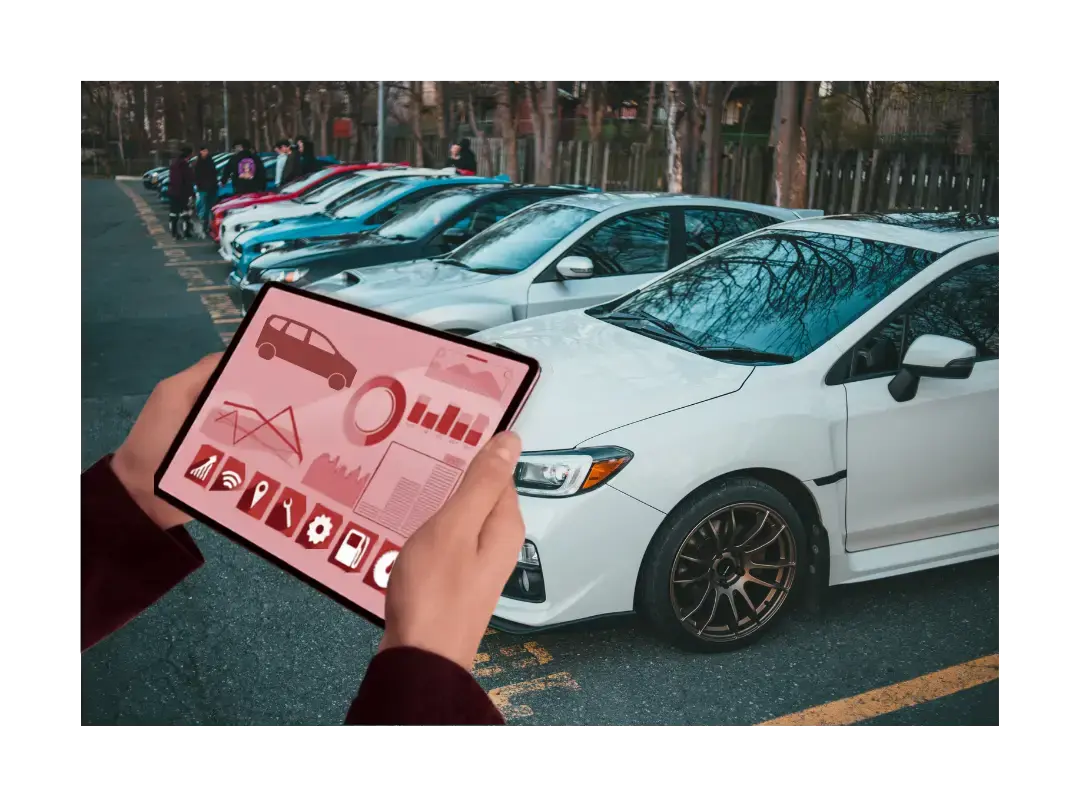
If your company owns even a handful of vehicles — delivery vans, service trucks, taxis, or heavy equipment — someone in your organization is already doing fleet management, whether or not they call it that. The question is whether they’re doing it well.
Fleet management is the process of overseeing every vehicle a business owns or operates, from the day it’s purchased to the day it’s sold or retired. It covers maintenance schedules, fuel spending, driver behavior, route planning, and legal compliance — all with one goal: keeping vehicles safe, available, and cost-efficient for as long as the business needs them.
For companies operating in Qatar, this isn’t just a back-office function. With Doha’s logistics and construction sectors expanding rapidly ahead of continued infrastructure growth, and with extreme summer heat placing real strain on engines, tires, and batteries, fleet management has become one of the more consequential operational decisions a business makes.
Why Fleet Management Matters More in Qatar Than Elsewhere
Three local realities make fleet management a bigger priority here than in milder climates or slower-growing markets:
Heat accelerates wear. Summer temperatures regularly exceed 45°C in Doha. That kind of sustained heat shortens tire life, stresses cooling systems, and drains battery capacity faster than in temperate markets. A maintenance schedule copied from a European or American fleet operator simply won’t hold up here — Qatari fleets need shorter service intervals and closer monitoring of coolant, tire pressure, and battery health.
Regulatory oversight is tightening. Qatar’s Ministry of Interior traffic regulations and the Communications Regulatory Authority (CRA) both play a role in how commercial vehicles are tracked and operated. Vehicle-tracking systems used by fleets increasingly need to meet CRA approval standards, and businesses that skip this step risk compliance issues down the line.
The logistics and delivery sector is growing fast. As e-commerce and on-demand delivery expand across Qatar, customer expectations for speed and delivery accuracy have risen with them. Fleets that can’t track vehicles in real time or optimize routes fall behind on service reliability — and that shows up directly in lost business.
The Core Components of Fleet Management
Fleet management isn’t one task — it’s a set of interconnected responsibilities. Here’s what it actually involves:
1. Vehicle Acquisition and Disposal
Deciding what vehicles to buy (or lease), when to replace them, and how to resell or retire them once they’re no longer cost-effective to maintain. Getting this timing right has a bigger impact on total cost of ownership than most businesses realize — keeping a vehicle too long often costs more in repairs than upgrading earlier would have.
2. Preventive Maintenance
Scheduled servicing designed to catch problems before they cause breakdowns. In Qatar’s climate, this means paying particular attention to air conditioning systems, battery condition, and tire wear — components that fail faster under sustained heat and sand exposure than they would elsewhere.
3. Fuel Management
Tracking fuel consumption per vehicle and per driver to spot waste, theft, or inefficient routing. Fuel is typically one of the largest ongoing costs for any fleet, which makes even small efficiency gains meaningful at scale.
4. GPS Tracking and Telematics
Real-time location tracking and vehicle diagnostics, usually delivered through onboard hardware paired with software. This is the technology layer that makes modern fleet management possible — it gives managers visibility into where vehicles are, how they’re being driven, and when they need attention, without requiring a physical check-in.
5. Driver Management and Safety
Recruiting, training, and monitoring drivers — including behavior like harsh braking, speeding, and idling. Safer driving habits reduce accident risk, lower insurance costs, and extend vehicle lifespan, so this piece of fleet management pays off in more than one way.
6. Route Planning and Optimization
Using traffic and location data to plan the most efficient routes, which cuts fuel use, shortens delivery times, and reduces vehicle wear from unnecessary mileage.
7. Regulatory Compliance
Keeping vehicle registrations, insurance, driver licenses, and inspection records current, and making sure any tracking technology in use meets local requirements such as CRA approval in Qatar.
Who's Responsible for Fleet Management?
Keeping vehicle registrations, insurance, driver licenses, and inspection records current, and making sure any tracking technology in use meets local requirements such as CRA approval in Qatar.
Who's Responsible for Fleet Management?
In most organizations, this falls to a dedicated fleet manager — a role that sits at the intersection of operations, finance, and compliance. In smaller companies, it might be one person handling everything from vehicle purchases to fuel cards. In larger organizations, especially logistics and construction firms with fleets numbering in the dozens or hundreds, it’s often a team supported by fleet management software.
Either way, the fleet manager’s job is to balance three competing pressures: keeping vehicles available and reliable, keeping costs under control, and keeping the business compliant with local regulations.
How Fleet Management Software Changes the Equation
Manually tracking maintenance schedules, fuel receipts, and driver logs across a fleet of any real size becomes unmanageable fast. This is where fleet management software comes in — platforms that combine GPS hardware with a central dashboard, giving managers a live view of the entire fleet.
For businesses in Qatar, the practical benefits tend to show up in three areas:
- Lower fuel costs, through route optimization and idle-time reduction
- Fewer breakdowns, through predictive maintenance alerts rather than reactive repairs
- Better compliance records, with digital logs replacing paper trails that are easy to lose or falsify
The upfront cost of a fleet management system is usually recovered through fuel savings and reduced downtime within the first year or two — though the exact payback period depends on fleet size and how inefficient current operations are.
Common Mistakes Businesses Make With Fleet Management
Even companies that invest in the right technology sometimes undermine it with a few recurring mistakes:
- Treating maintenance as reactive rather than preventive — waiting for a breakdown instead of scheduling service based on mileage, engine hours, or local climate conditions
- Ignoring driver behavior data once it’s collected, rather than using it to coach drivers or adjust routes
- Choosing tracking hardware without checking local regulatory approval, which can create compliance headaches later
- Underestimating how much heat affects vehicle lifespan in Gulf climates, leading to maintenance schedules that are too infrequent
Getting Started With Fleet Management
If your business is formalizing fleet management for the first time, a practical starting point looks like this:
- Audit your current fleet — vehicle age, condition, and current maintenance records
- Identify your biggest cost driver — usually fuel, maintenance, or downtime — and prioritize solving that first
- Choose tracking software that’s compliant with Qatari regulations, rather than defaulting to whatever’s cheapest or most familiar
- Set maintenance intervals suited to local conditions, not manufacturer defaults calibrated for milder climates
- Review the data regularly — fleet management only pays off if someone is actually acting on the information it produces