Qatar Driving Rules: The Complete Guide for Residents, Expats, and Visitors
Qatar’s roads are modern, well-signed, and — by regional standards — genuinely well maintained. What catches most new drivers off guard isn’t the infrastructure. It’s how strictly the rules are enforced, and how a handful of habits that feel harmless elsewhere can turn into a serious fine, black points, or even a travel ban here.
Whether you’re a new resident applying for your first Qatari license, a long-term expat converting a foreign one, or a visitor renting a car for a week, this guide covers what actually matters: the core rules, the license and paperwork requirements, how the fines and points system works, and the unwritten road habits that don’t show up in any official handbook.
The Basics: How Driving Works in Qatar
- Side of the road: Qatar drives on the right, similar to the US and most of continental Europe.
- Overtaking: Always on the left. Undertaking (passing on the right) is both illegal and one of the more common causes of highway accidents here.
- Roundabouts: Vehicles already inside the roundabout have right of way over those entering it — a rule that trips up drivers from countries where roundabout etiquette works differently.
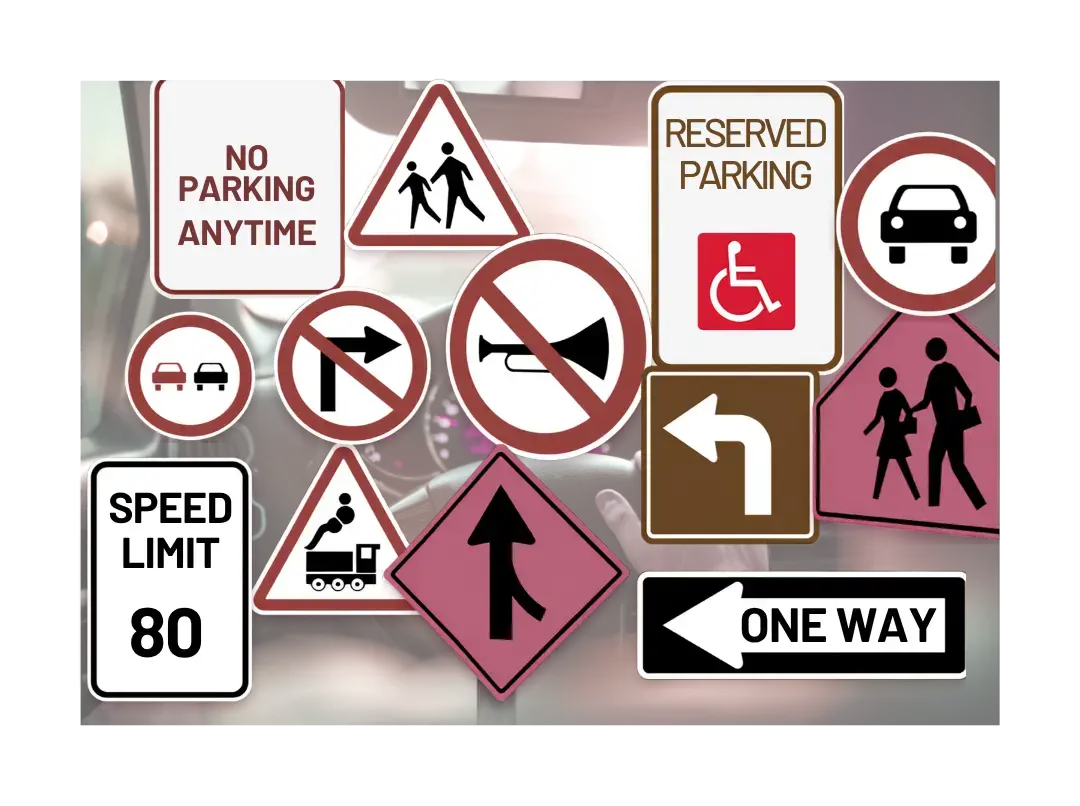
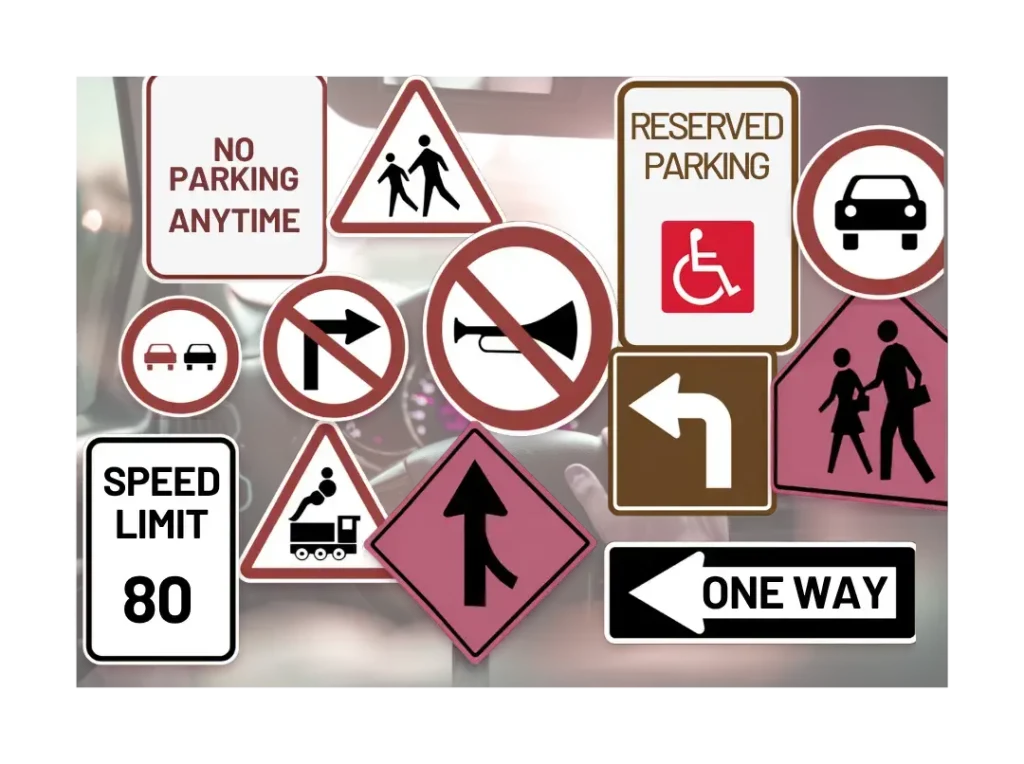
- Signage: All road signs are bilingual, in Arabic and English, and distances/speeds are measured in kilometers.
- Seat belts: Mandatory for every occupant, front and back, no exceptions.
- Mobile phones: Only hands-free use is legal. Holding a phone while driving — even at a red light — is a ticketable offense.
- Minimum driving age: 18 for a standard Qatari license.
Who Can Legally Drive in Qatar
This is where most confusion happens, because the rules differ depending on your status.
Tourists and short-term visitors: You can drive in Qatar on a valid International Driving Permit (IDP), provided you carry your original home-country license alongside it. Visitors typically have this validity for up to six months from entry, though rental companies may apply shorter windows depending on your visa type — always confirm the specific validity with the rental company before signing.
Business visa holders: Generally permitted to drive for around 15 days from entry. Beyond that, a temporary Qatari driving license is required.
Residents (QID holders): Must hold a full Qatari driving license. Depending on your nationality, this may involve a direct license swap or a full test — the rules vary by country, so it’s worth checking your eligibility with the Ministry of Interior’s Licensing Affairs Department directly rather than assuming.
One rule applies to everyone regardless of category: traffic law in Qatar makes no exception for tourists. Fines, black points, and penalties apply identically whether you’ve lived in Doha for ten years or landed three days ago.
Vehicle Paperwork You're Required to Carry
Qatari traffic police can and do request documents at routine stops or after any accident. Keep these in the vehicle at all times:
- Valid driving license
- Vehicle registration card (Istimara)
- Proof of valid insurance
- For vehicles over three years old: a current Fahes technical inspection certificate
Istimara and insurance both need annual renewal, and an expired Istimara is itself a fineable offense — independent of any other violation you might commit while driving.
Speed Limits and How They're Enforced
Typical posted limits are 60–80 km/h in urban and built-up areas and 100–120 km/h on highways, though the actual limit is always whatever the roadside sign says for that specific stretch of road — not a nationwide default.
Enforcement is aggressive and largely automated:
- Fixed radar cameras on major roads and highways
- Mobile radar units that relocate regularly, making them harder to anticipate
- Average-speed cameras that measure your speed across a distance rather than at a single point, so slowing down only near a visible camera doesn’t help
A common misconception among new drivers is that there’s a universal grace margin — say, 10 km/h — before a violation registers. In reality, this depends on the calibration of that specific radar, and the only speed you can legally rely on is the one posted on the sign.
The Black Points (Demerit Points) System
This is the part of Qatari traffic law that surprises people most, because it runs independently of the fine itself. Paying a fine does not remove the points attached to it.
How suspensions escalate:
Points accumulated | Consequence |
14 (first time) | 3-month license suspension |
12 (second time) | 6-month suspension |
10 (third time) | 9-month suspension |
8 (fourth time) | 12-month suspension |
6 (fifth time) | Permanent license cancellation |
Points reset automatically after 12 consecutive violation-free months — but any new violation during that window restarts the clock from the date of the new offense, not the original one.
Examples of point-carrying violations:
- Running a red light: a heavy fine plus points, classified as reckless driving in its own right
- Mobile phone use while driving
- Seatbelt non-compliance
- Speeding, with points scaling alongside how far over the limit you were caught
Zero Tolerance: Drink and Drug Driving
Qatar operates a strict zero-tolerance policy on alcohol behind the wheel. Any detectable trace — not a specific limit, any amount — is treated as a criminal offense, not just a traffic violation. Consequences can include court prosecution, a substantial fine, license cancellation, and for expats, deportation. This applies equally to residents, tourists, and business visitors; there’s no separate allowance for anyone.
What Happens If You Don't Pay a Fine
Unpaid traffic fines in Qatar don’t just sit quietly on a record. Since Qatar’s immigration system was integrated with the Ministry of Interior’s traffic database, outstanding fines can trigger a travel ban, flagged automatically at Hamad International Airport and land border crossings. For residents, unresolved fines can also delay Qatar ID renewal or vehicle registration. It’s worth checking your record through the Metrash2 app or the MOI portal periodically rather than waiting for a violation notice to arrive.
Road Habits and Etiquette That Aren't Written Down Anywhere
Official rules only get you partway to driving comfortably in Qatar. A few unwritten norms make a real difference for new drivers:
The horn is a signal, not an insult. In much of Qatar, a car horn simply means “I’m here” — you’ll hear a burst of honking the moment traffic lights turn green, or from someone behind you who thinks you could have moved sooner. It’s rarely personal, and reacting to it with anger tends to escalate situations that were never meant to be confrontational.
Flashing headlights from behind means “move over.” A vehicle approaching quickly with flashing headlights is signaling that it wants to pass. The safer response is to signal and shift over when it’s safe, rather than braking suddenly or tapping your brake lights defensively — the latter can be read as an aggressive gesture by the driver behind you.
Lane discipline works differently than you might expect. On multi-lane roads, many drivers default to the left or middle lanes, leaving the right lane for slower traffic and vehicles entering the road. This isn’t an official rule so much as a widespread habit, but knowing it helps you anticipate merging behavior rather than being caught off guard by it.
Keep your composure, always. Qatari law takes road rage seriously — obscene gestures, foul language, or aggressive confrontation after a traffic incident can lead to arrest and overnight detention, on top of any fine for the original violation. Whatever the other driver does, the safest and legally soundest response is to stay calm and let the paperwork sort out fault later.
Climate and Terrain Factors That Affect Driving Safety
Qatar’s environment adds a few hazards that don’t come up in temperate-climate driving guides:
- Extreme summer heat (regularly above 45°C) stresses tires, batteries, and air conditioning systems — a functioning A/C is a genuine safety issue in Qatar, not just a comfort one, and a well-maintained vehicle matters more here than in milder climates.
- Blown sand can reduce visibility on exposed stretches of highway, particularly outside Doha.
- Animals on rural roads, including camels, are a real and recurring hazard on routes outside the city — something that catches many new drivers by surprise.
Quick Reference: Common Violations at a Glance
Violation | Typical consequence |
Running a red light | Heavy fine plus significant black points |
Mobile phone use (handheld) | Fine, generally not eligible for early-payment discounts |
Speeding | Fine scaled to how far over the limit, plus points |
No seatbelt | Fine plus points |
Driving under the influence | Court referral, large fine, possible imprisonment, license cancellation |
Expired Istimara | Fine, independent of any other violation |
Note: exact fine amounts and point values are periodically updated by the Ministry of Interior. Always verify current figures through the official MOI portal or the Metrash2 app before assuming a specific amount.
Frequently Asked Questions
Can tourists drive in Qatar with a foreign license?
Only alongside a valid International Driving Permit, and only your original home-country license carried together with it — an IDP alone isn’t sufficient.
Do Qatar's traffic laws apply differently to tourists than residents?
No. Fines, black points, and penalties apply identically regardless of residency status.
How long is an International Driving Permit valid in Qatar?
Typically up to six months from your date of entry, though this can vary by visa type — confirm with your rental company or the relevant authority for your specific situation.
Does paying a traffic fine remove black points?
No. Fine payment and black points are handled separately. Points only clear after 12 consecutive violation-free months.
What's the safest lane to drive in on a Qatari highway?
The right or middle lane is generally safer for visitors, since the far-left lane tends to carry faster-moving traffic that frequently exceeds posted limits.