Car Tracker vs Bike Tracker: What's the Difference?
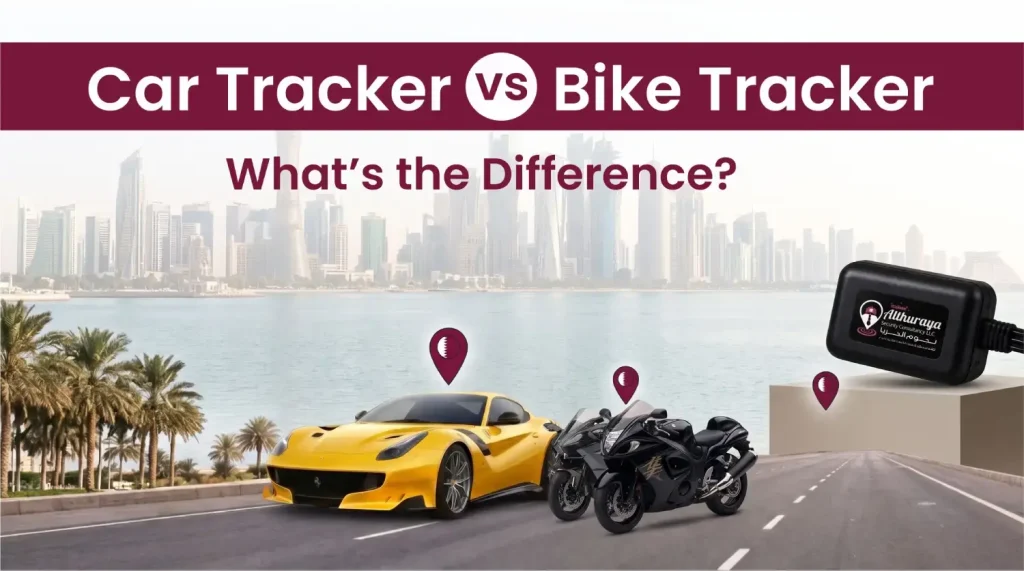
Looking for the right GPS tracker for your vehicle? Car and bike trackers may use the same GPS technology, but they are designed for different needs. From installation and size to security features and tracking capabilities, the right choice depends on your vehicle. This guide explains the key differences and helps you choose the right GPS tracking solution for your vehicle in Qatar.
Offer
Special Qatar Offer – Get Premium GPS Tracking with Free Installation!
What is a Car GPS Tracker?
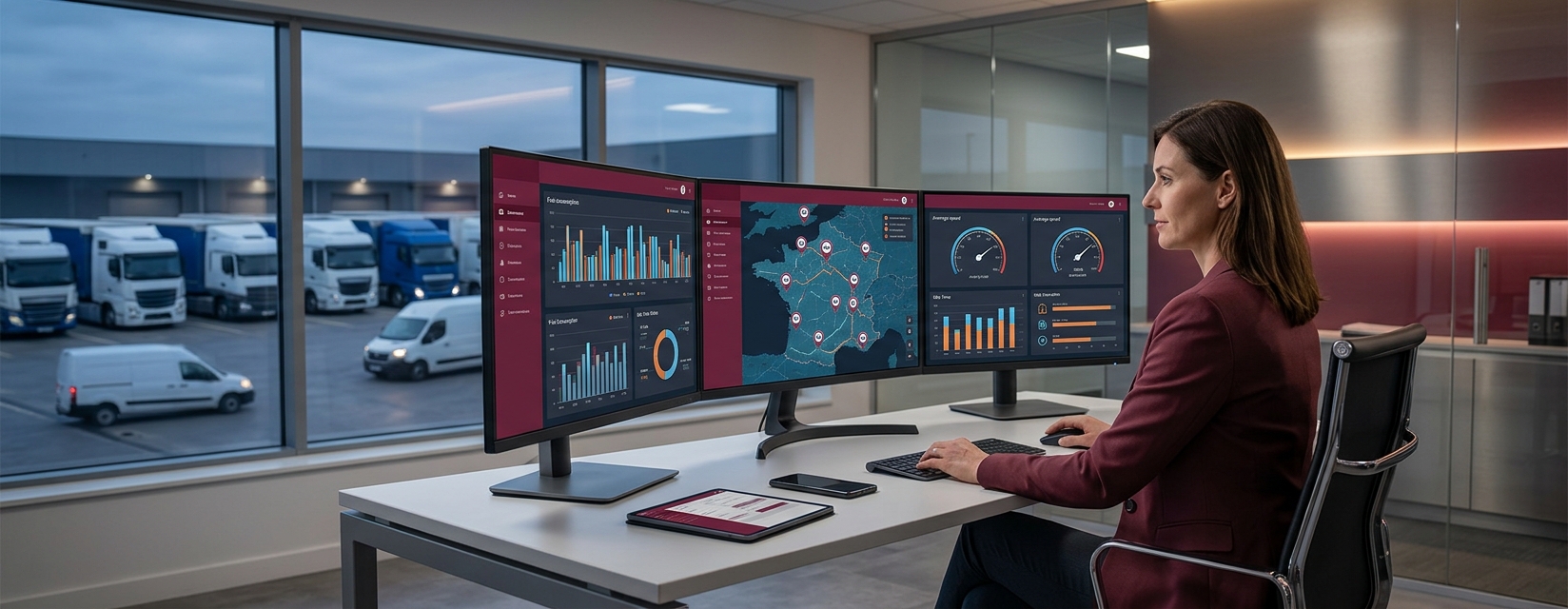
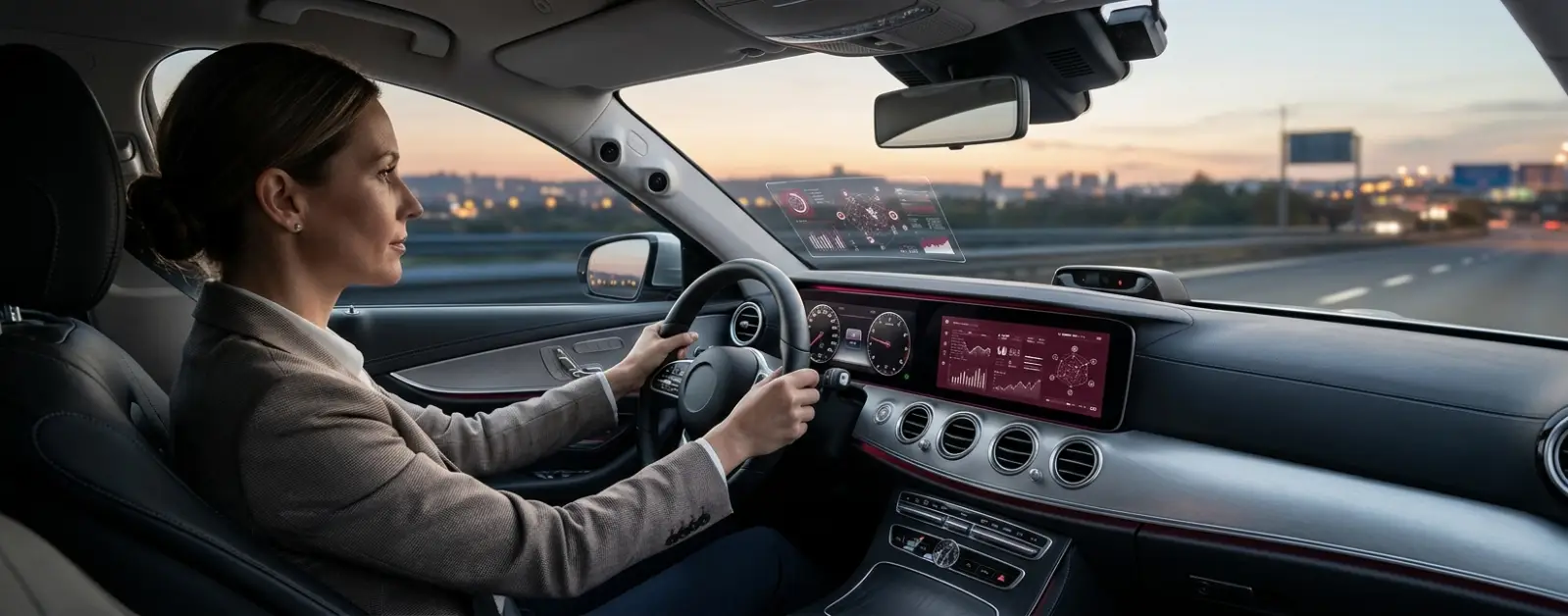
Think of a car tracker as a small box that quietly reports where your vehicle is, how fast it’s moving, and where it’s been. Most of them wire straight into the car’s battery, which means they just run in the background with no charging, no maintenance, nothing to remember.
People install these mostly for security reasons: recovering a stolen car, keeping tabs on how family members or employees drive, or managing a fleet of company vehicles. And because cars have so much interior space, the tracker can be hidden somewhere like under the dash where nobody would ever think to look.
What Is a Bike GPS Tracker?
A bike or motorcycle tracker is a different animal. It has to be small enough to squeeze into a tiny gap on the bike, and tough enough to survive sun, rain, dust, and constant vibration none of which a car tracker really has to deal with.
Most bike trackers come loaded with real-time location tracking plus motion and tamper alerts. That last part matters a lot, since bikes are just easier to grab and ride off with than a car is. Delivery companies lean on these heavily too, using them to keep tabs on riders and company bikes throughout the day.
Car Tracker vs Bike Tracker: Key Differences Explained
When people search for car tracker vs bike tracker comparisons, they are usually trying to understand a few core things: how the hardware differs, how installation works, and which one actually makes sense for them. Here’s the short version though keep in mind actual specs vary a bit between brands and providers, so treat this as a general pattern rather than a strict rulebook.

1. Size
- Car trackers are often slightly larger since they can be hidden inside the vehicle where space is less of a concern.
- Bike and motorcycle trackers tend to be smaller and more compact to fit into a secure and discreet location suitable for the motorcycle.
2. Power Source
- Car trackers commonly draw power from the vehicle’s main battery.
- Bike trackers often rely on a mix of the bike’s battery and a backup battery, since two-wheelers do not always have a continuous power supply.
3. Weatherproofing
- Car trackers sit inside a more protected cabin, so weatherproofing needs are generally moderate.
- Bike trackers are usually built to handle more direct exposure to sun, dust, and rain.
4. Installation
- Cars are generally fitted near the dashboard, under the seat, or through the OBD port.
- Bikes need the tracker positioned in a secure and discreet location suitable for the motorcycle, tucked away from moving parts and hidden wiring.
5. Vibration Resistance
- Car trackers usually come with standard vibration resistance.
- Bike trackers are often reinforced to handle rougher rides.
6. Common Use Case
- Car trackers are typically chosen for fleet monitoring, family safety, and theft recovery.
- Bike trackers are more common for theft prevention, delivery tracking, and fleet bikes.
7. Security Features
- Car trackers tend to focus more on route history and driving pattern monitoring.
- Because motorcycles can be easier to move or steal, bike trackers often place more emphasis on motion alerts and tamper notifications.
What to Think About Before Installing
For a car, the main thing is picking a spot that hides the tracker without blocking the GPS signal. Metal panels and closed compartments can mess with reception, so it’s often worth having a professional handle the install rather than guessing.
Bikes are a different challenge altogether. Space is tight, and the tracker has to avoid engine heat and stay clear of water. It also needs to be mounted solidly enough that it doesn’t rattle loose after a few rides on Doha’s roads and highways.
Either way, going with an experienced GPS tracking provider in Qatar saves you from the usual headaches, bad signal placement, exposed wires, or a unit that quietly stops working after a few weeks.
Security Benefits for Car and Bike Owners
At the end of the day, both types of trackers offer the same basic peace of mind: you know where your vehicle is, and you can react quickly if something’s wrong. For car owners, that mostly translates to faster recovery after a theft and better visibility into how the car’s being used, especially if it’s shared with family or staff.
For bike owners, it’s more about catching a problem the moment it starts. Since motorcycles are so much easier to move than a car, an instant motion alert can be the difference between recovering the bike quickly and never seeing it again though obviously, that depends on how fast you notice and act on the alert.
GPS Tracking for Businesses in Qatar
Qatar’s logistics, delivery, and transport businesses depend on GPS tracking more than most, simply because their whole job is knowing where every vehicle is at all times. Delivery companies running motorcycle fleets use bike trackers to confirm delivery times, plan routes, and cut down on bikes being used off the clock.
Meanwhile, businesses running car fleets, taxis, rental agencies, corporate transport use car trackers to watch fuel usage, driving behavior, and location across the city. Given how much Doha traffic and long commutes eat into a workday, that kind of visibility genuinely pays off.
Companies like Najoom Al Thuraya Qatar work across both types of businesses, helping them pick the right tracking setup for whatever mix of cars and motorcycles they’re running.
Which Tracker Is Right for Your Vehicle?
If it’s a car, personal or business, go with a car tracker. It’s designed around the car’s power system and interior layout, and there’s no real reason to use anything else. If you’re running bikes for delivery or business, a bike tracker is the better call since it’s built specifically to handle the outdoor exposure and vibration a car tracker was never meant to survive.
Running a mixed fleet of both? Don’t try to make one device do both jobs. Match each tracker type to the vehicle it was designed for it’ll save you trouble down the line.
Conclusion
Every vehicle has its own tracking and security needs. Cars and motorcycles are different, so choosing a tracker built for the right type of vehicle means better tracking, better security, and more reliability day to day.
Whether it’s a personal car, a delivery motorcycle, or a full business fleet, Najoom Al Thuraya Qatar can help you find a GPS tracking solution that fits your vehicles and your needs.
FAQ's
It's not a great idea. Car trackers are made for a sheltered cabin, and they're likely to struggle against the weather and constant vibration a motorcycle deals with.
Usually, yes. Most include a backup battery on top of drawing power from the bike itself, since motorcycles don't always provide steady power especially when they're parked for a while.
In most cases, yes plenty of trackers keep reporting locations even while parked. That said, it depends on the device's battery setup and how it handles power once the engine's off.
Yes, Plenty of providers, Najoom Al Thuraya Qatar included, let businesses monitor both car and motorcycle fleets from one system.
Motion and tamper alerts are the key feature here. The moment the bike gets moved without permission, you're notified which gives you a real shot at reacting before it's too late.
Definitely. Plenty of car owners in Qatar install trackers just for peace of mind whether that's checking in on a car a family member drives or having a way to find it if it's stolen.
Cars get a hidden but stable spot inside the vehicle. Bikes need much more careful placement, since space is limited and there's real exposure to heat and moisture to worry about.