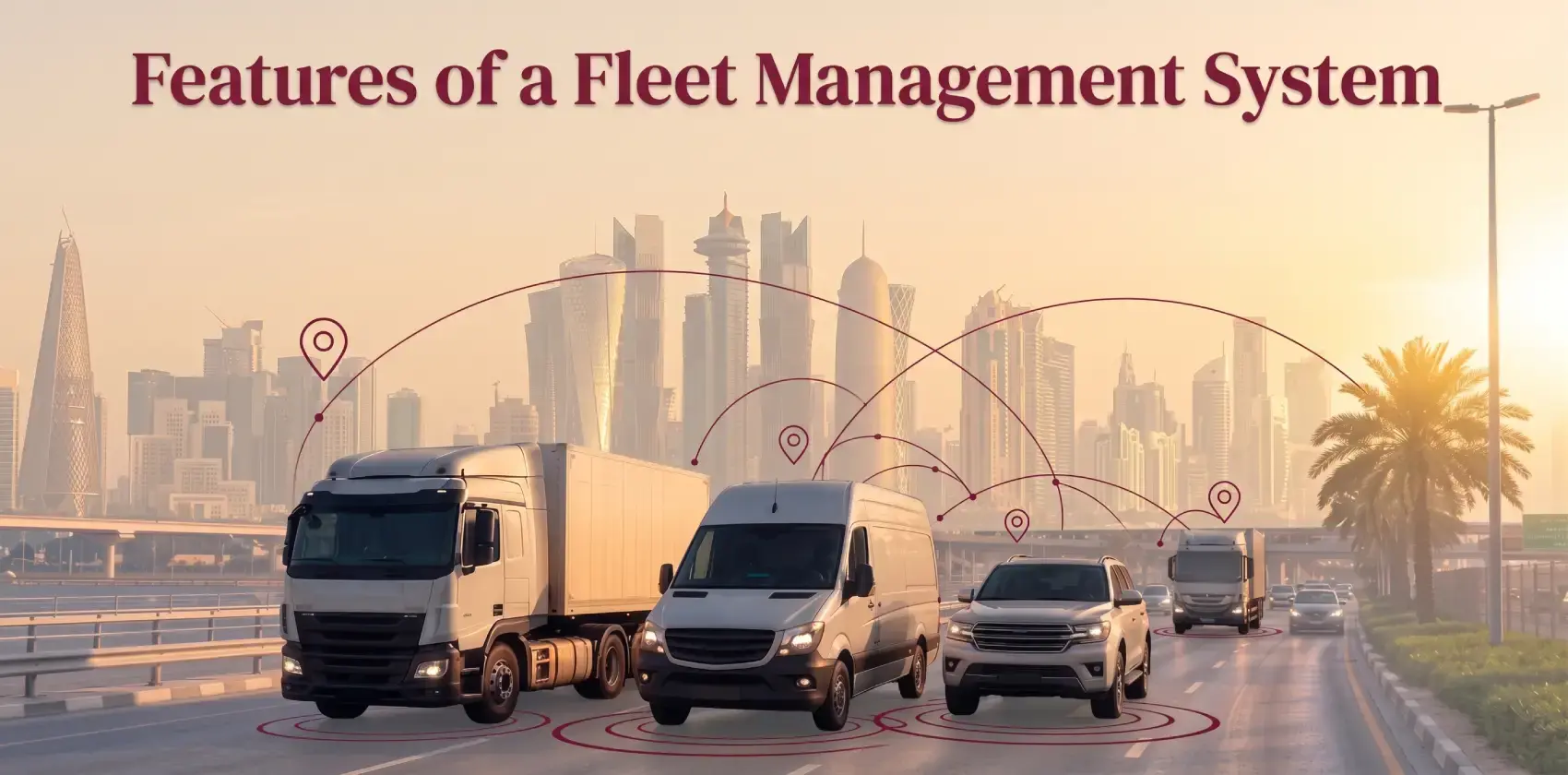

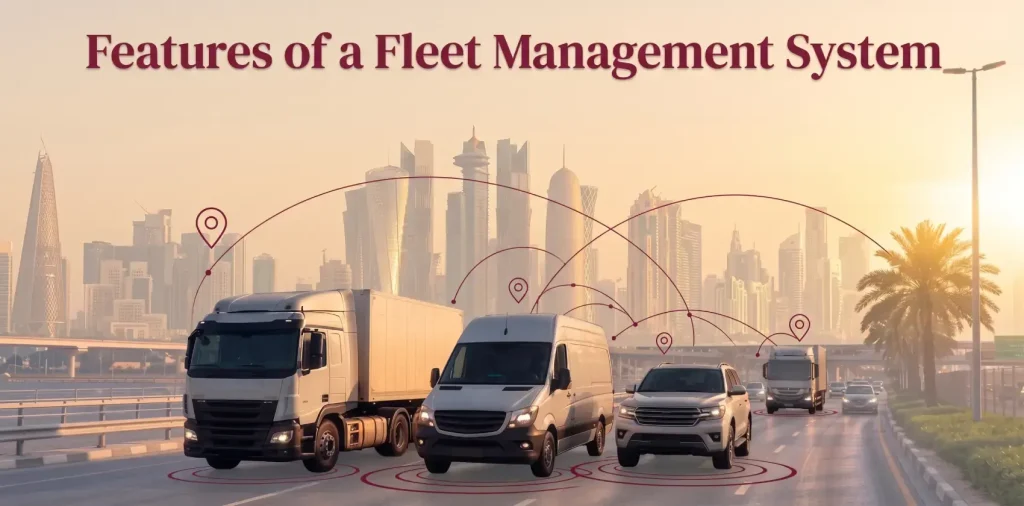
Features of Fleet Management for Smarter Fleet Operations
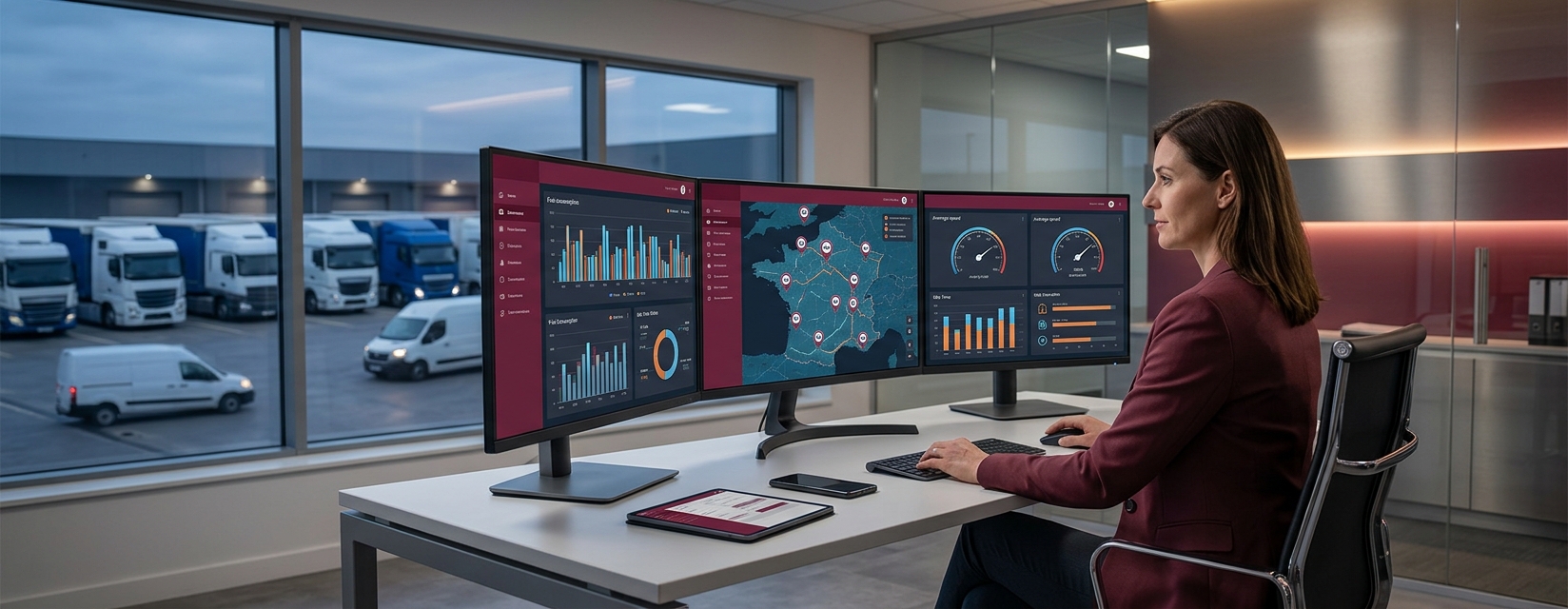
Running a fleet in Qatar means dealing with heavy traffic, long routes, and ongoing fuel expenses, often without knowing what’s really happening on the road. A fleet management system changes that, giving you clear visibility into your vehicles, drivers, and daily operations. Here’s what it actually does and what to look for before choosing one.
Offer
Special Qatar Offer – Get Premium GPS Tracking with Free Installation!
10 Features of Fleet Management for Better Control
A fleet management system combines software with a tracking device installed in each vehicle. The device collects information such as location, speed, driving behavior, and fuel use, then sends it to the software for easy monitoring. Whether you manage five vans or five hundred trucks, the goal is simple: less guesswork and better control of your fleet.
1. GPS Tracking
This is the basic building block. GPS tracking shows where each vehicle is, with the location updating at regular intervals as it moves around the city or further out.
Say you’re based in Doha and have drivers going out to Al Wakrah, Al Khor, or even further toward the border. A quick check of the dashboard can tell you:
- Where a specific vehicle is right now
- Whether it’s on schedule or running behind
- How close it is to a delivery point without needing to call
2. Route Monitoring
Tracking tells you where a vehicle is. Route monitoring tells you what path it took to get there, and lets you compare that against the route you planned. That’s how you catch a driver taking a longer way than needed, or notice a stretch of road that’s constantly backed up and worth avoiding.Doha’s roads change more than people realize new construction, shifted lanes, detours that pop up overnight. Being able to adjust routes based on actual data, not just habit, helps with both fuel and timing.
3. Whole-Fleet Visibility and Smarter Decisions
Once you can see your entire fleet in one place, it becomes easier to manage vehicles and make better decisions. For example, a construction company with trucks working across several sites can quickly check which vehicles are where without calling drivers or supervisors.
- See the location and status of every vehicle at a glance
- Identify vehicles that are being underused or overworked
- Find routes that are taking longer than expected
- Schedule maintenance based on actual vehicle usage
- Decide when vehicles need to be reassigned or added
With this information, a fleet tracking system helps you manage your vehicles more efficiently instead of relying on calls, assumptions, or guesswork.han
4. Trip History
Every trip gets logged when it started, when it ended, the distance, the route, any stops along the way. Sounds basic, but it’s genuinely useful for things like:
- Billing a client accurately for a specific job
- Settling a dispute if a customer questions a delivery time
- Spotting patterns, like a route that always takes longer than it should, or a vehicle doing far more trips than the others
5. Geofencing
You set a virtual boundary around a place, a warehouse, a client site, wherever and the system pings you the moment a vehicle crosses in or out.
This is handy for confirming a delivery actually happened, or that a vehicle showed up at a job site when it was supposed to. It’s also a decent security layer. A vehicle wandering outside where it should be, with no explanation, is something you want to know about immediately, not the next morning.
6. Vehicle Utilization Tracking
Some vehicles in a fleet are constantly on the move. Others barely leave the lot. This feature shows you the actual usage numbers:
- Distance covered
- Hours active
- How often each vehicle goes out
Once you see that clearly, decisions get easier. Maybe you don’t need as many vehicles as you thought. Maybe work needs to be spread out more evenly so a couple of vehicles aren’t getting run into the ground while others sit idle.
Fuel is one of those costs that quietly eats into margins if nobody’s watching it closely. This feature lets fleet managers see:
- Fuel levels across the fleet
- Consumption trends over time
- Unusual spikes that might point to a bad route, a leak, or something else worth checking
It also ties into idling when an engine keeps running while the vehicle’s just sitting there. Some of that is unavoidable, loading and waiting and so on, but when it gets excessive, this is how you’d actually notice.
Basically, instead of just looking at fuel receipts and shrugging, you get a clearer picture of where the fuel is actually going.
8. Maintenance Scheduling
For delivery and logistics businesses, tracking isn’t a nice extra, it shapes how the day actually runs. Dispatchers assign the closest driver instead of guessing. Customer service gives a real delivery window instead of a vague one.
A courier company handling same-day deliveries across Qatar feels the difference most during busy periods, when every slot matters and there’s no room for guesswork.
- Assign the nearest driver to a new order
- Give accurate delivery windows instead of estimates
- Keep track of vehicles even when things get busy
9. Alerts and Notifications
Nobody has time to sit and watch a dashboard all day. Alerts handle that, flagging things like:
- Speeding
- A vehicle moving somewhere it shouldn’t
- A missed maintenance date
- An unusual or unplanned stop
Rather than digging through every trip log looking for problems, the system tells you what actually needs your attention. That’s really the point of it.
10. Reports and Analytics
All that data means nothing if it’s just sitting there raw. Reports pull it together into something you can actually read and act on, covering things like:
- Fuel use across the fleet
- Driver behavior over time
- How vehicles are being used
- Trip records for a given period
This is usually where the real decisions come from. Which route is quietly costing you the most in fuel. Which driver might need a bit more support. That kind of thing is hard to see without the numbers laid out.
Fleet Management and Transport Requirements in Qatar
Fleet tracking is not only useful for managing your vehicles internally. It can also help businesses meet applicable transport and monitoring requirements in Qatar. Depending on what kind of transport work you’re doing and what vehicles are involved, there may be tracking or monitoring requirements set by the relevant authorities. These vary by vehicle type and the nature of the transport activity, so if you’re running specialized or licensed vehicles, it’s worth checking directly what applies to your specific sector on top of whatever system you’re using for your own operations.
How to Choose a Fleet Management System
There are a fair number of providers out there, so it helps to know what you’re actually looking for rather than just picking based on a features list. A few things worth thinking through:
- What kind of vehicles you run, since not every system handles every vehicle type equally well
- Whether the GPS and route data updates often enough for how your business actually operates
- Whether the reports and alerts are things your team will genuinely use, not just data sitting unread
- How much you care about fuel and maintenance tracking specifically
- Whether it’s actually easy to use, since a complicated system tends to just get ignored
- Whether there’s real local support in Qatar for setup and when something goes wrong
- Whether it can grow with you, so you’re not replacing the whole thing in two years
The right system is really the one that fits how your fleet actually runs day to day, not just the one with the longest feature list.
Why This Matters for Businesses in Qatar
Qatar’s transport and logistics sector isn’t slowing down, and that means more pressure to run things efficiently. A fleet management system isn’t just about tracking trucks. It’s about having the information you need to:
- Keep costs under control
- Keep drivers safer on the road
- Actually deliver on time, consistently
At Najoom Al Thuraya, we know no two fleets look the same. What you actually need depends on how big your fleet is, what kind of vehicles you’re running, your routes, and what you’re trying to fix or improve. If you want to talk through what would actually make sense for your operation, we’re happy to walk through it with you.
FAQ's
It gives businesses visibility into their vehicles, drivers, and day-to-day operations, so decisions around cost, safety, and efficiency are based on real data instead of guesswork.
Yes, these systems scale down just as well as they scale up. Whether you have three vehicles or three hundred, the same core features apply.
It surfaces risky habits early, which gives you a chance to address them before they turn into bigger problems, and it often lines up with better fuel use and less wear on the vehicle.
Definitely. It's just as useful for confirming deliveries and job site arrivals as it is for spotting unauthorized movement.
That depends on the vehicle and what hardware is installed. Worth asking your provider directly what's compatible with your specific fleet.
Not really. Most systems lay the data out in charts and simple summaries, so a fleet manager doesn't need any technical background to make sense of it.